In the world of hotel interiors, artwork often sits at the intersection of scale, budget, and impact. Large quantities are required, timelines are tight, and consistency matters. But too often, “mass produced” becomes synonymous with “forgettable.”
At Hay Hay Design, we take a different view.
Mass-designed and produced artwork should still feel considered, elevated, and aligned with the brand story of the hotel. It’s not about reducing artwork to a commodity, it’s about designing smart systems that allow for scale without sacrificing quality or individuality.
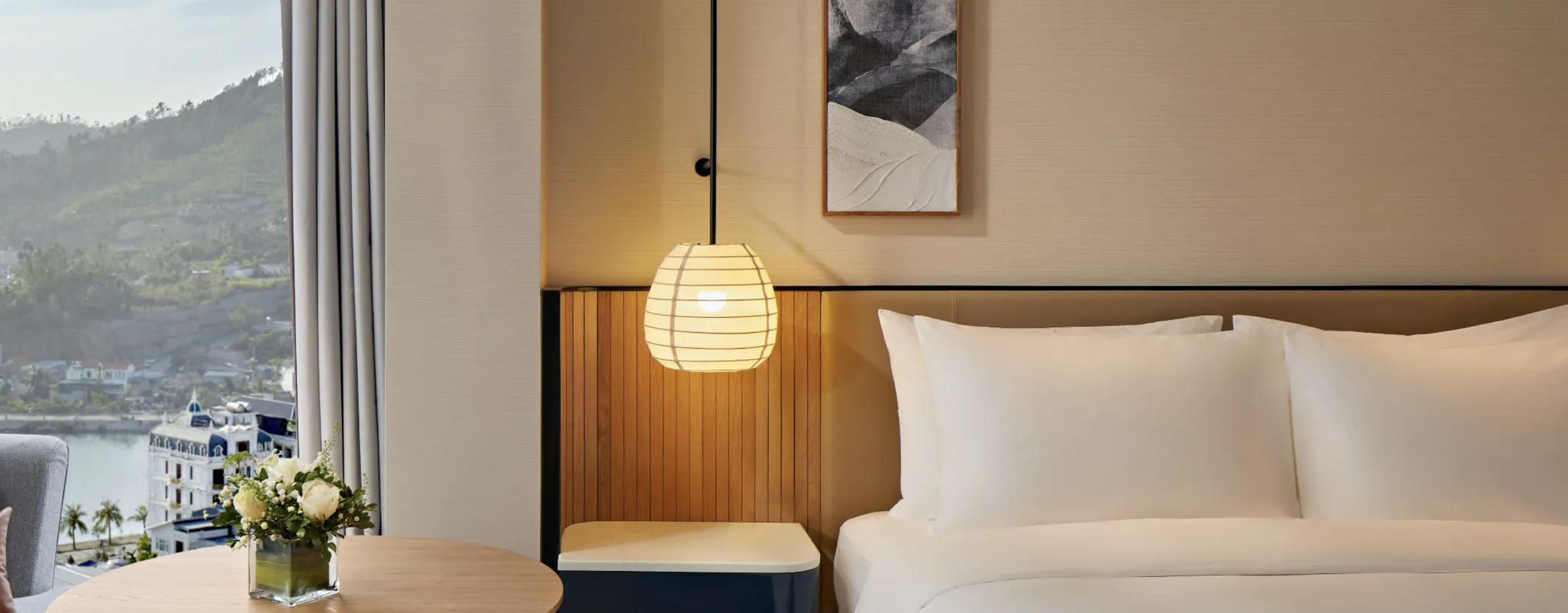
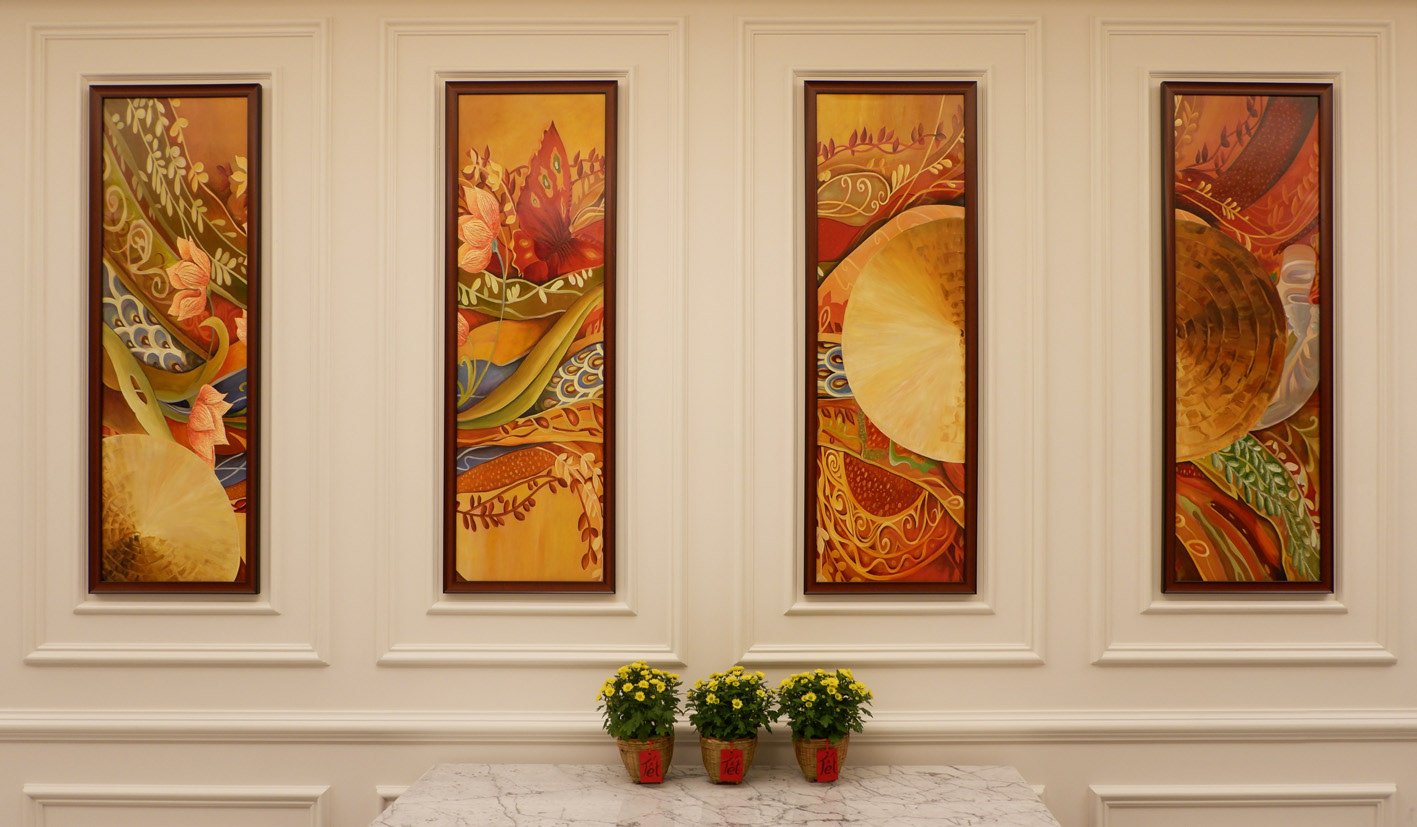
Hyatt Ha Long Bay Artwork by Hay Hay Design
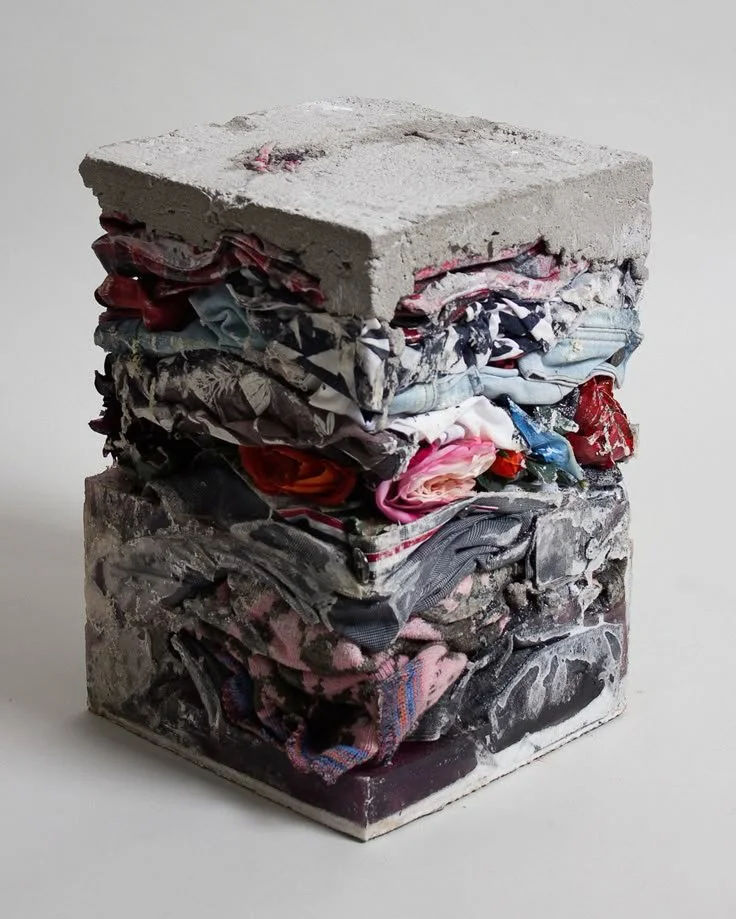
One of the most effective ways to achieve this is through layering. Printed artwork becomes the foundation, but it doesn’t stop there. We incorporate techniques such as overpainting, textural gels, screen printing, stitching, embossing, and hand-applied finishes to introduce depth and tactility. These layers break the flatness of print, giving each piece a more original, crafted feel, without losing the efficiencies of production.
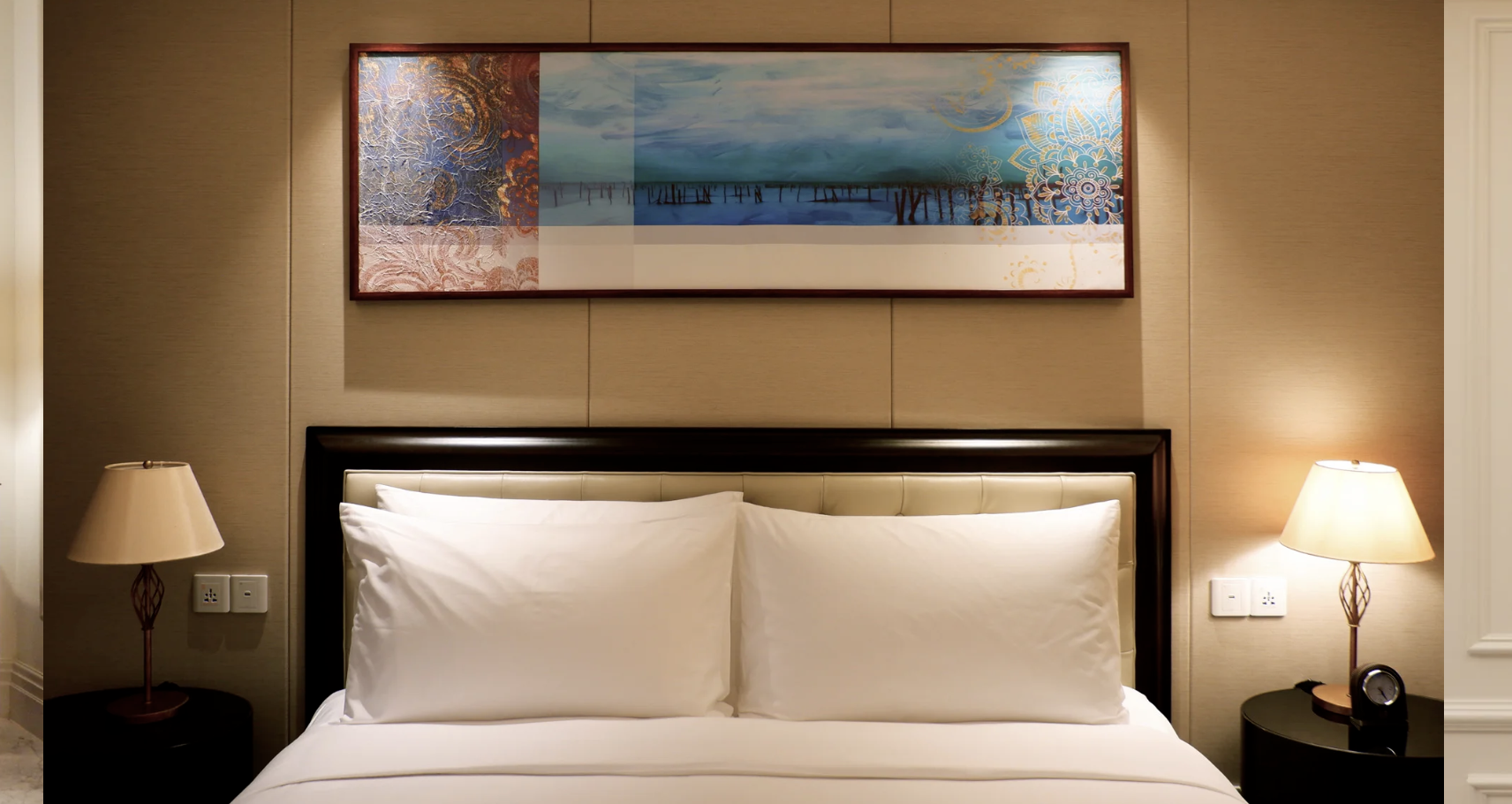
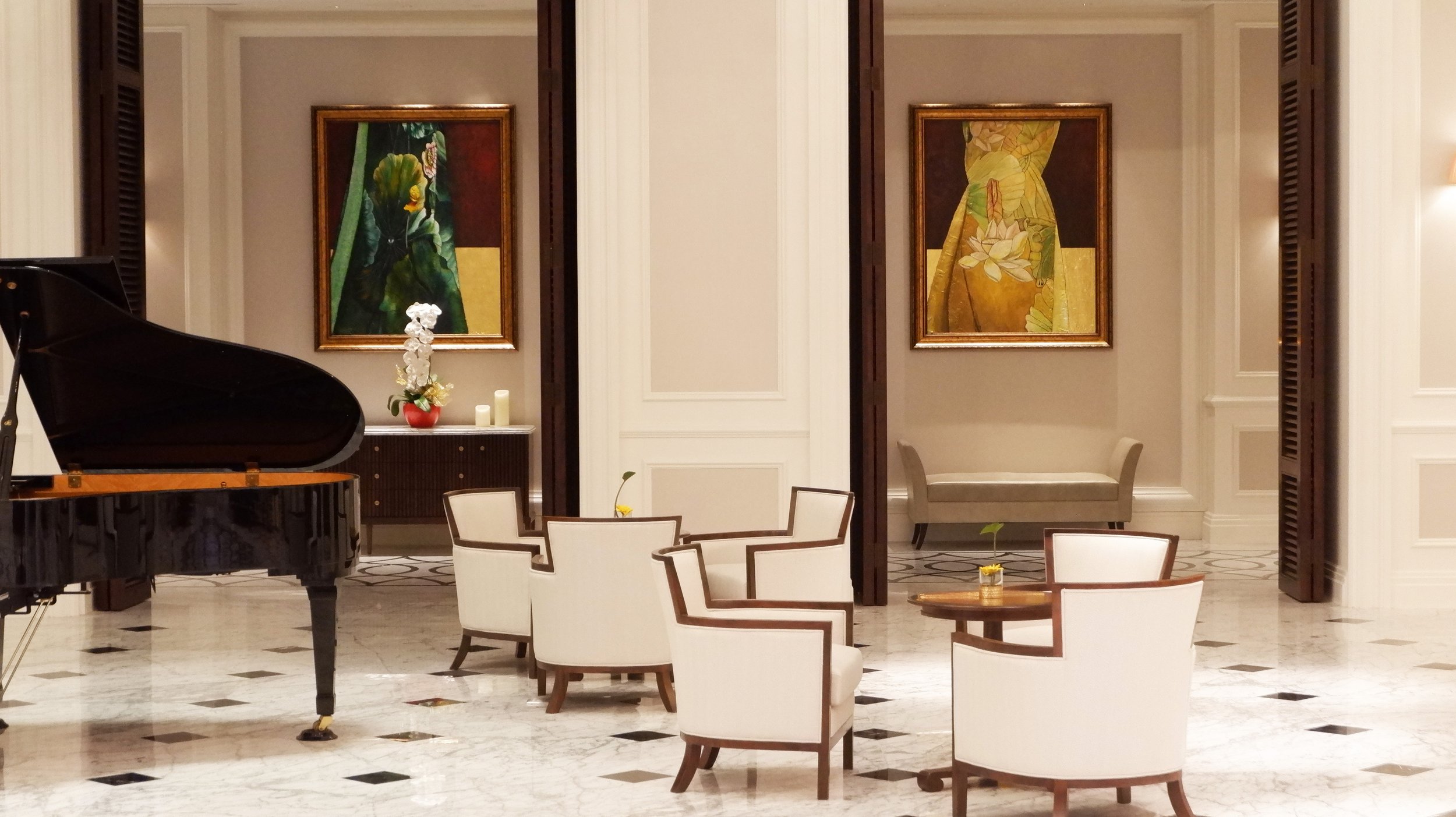
Mai House Saigon Bedroom Artwork
Variation is another key tool. Rather than repeating the same artwork across hundreds of rooms, we design families of works, multiple compositions, colourways, or crops within a cohesive visual language. This allows different room types, floors, or orientations to carry subtle differences, creating a more curated and less repetitive guest experience.
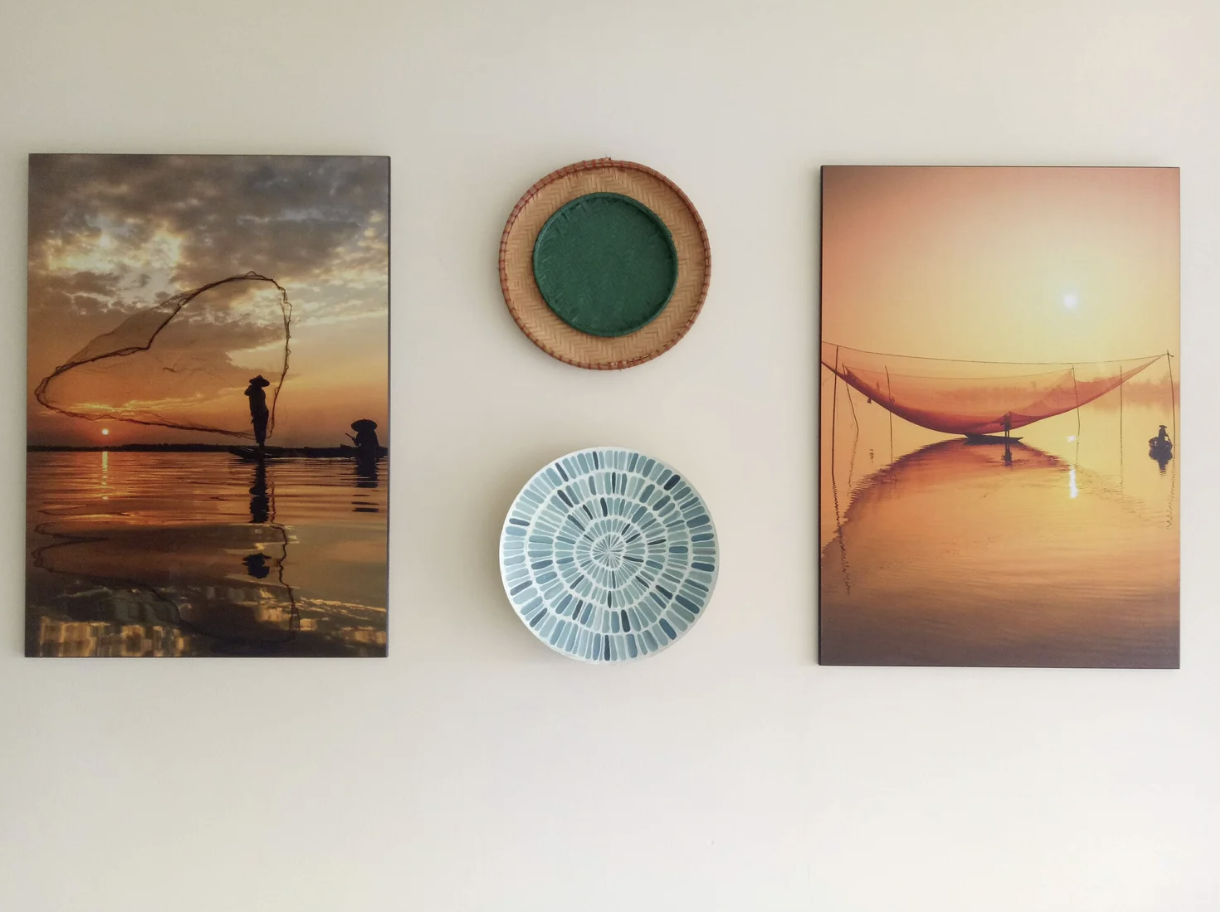
Beyond the rooms themselves, artwork plays a critical role in transitional spaces.
Corridors, often long and overlooked, are an opportunity to inject rhythm, personality, and narrative. Thoughtfully designed series can guide guests through the space, turning what is typically a functional passage into an immersive visual journey.
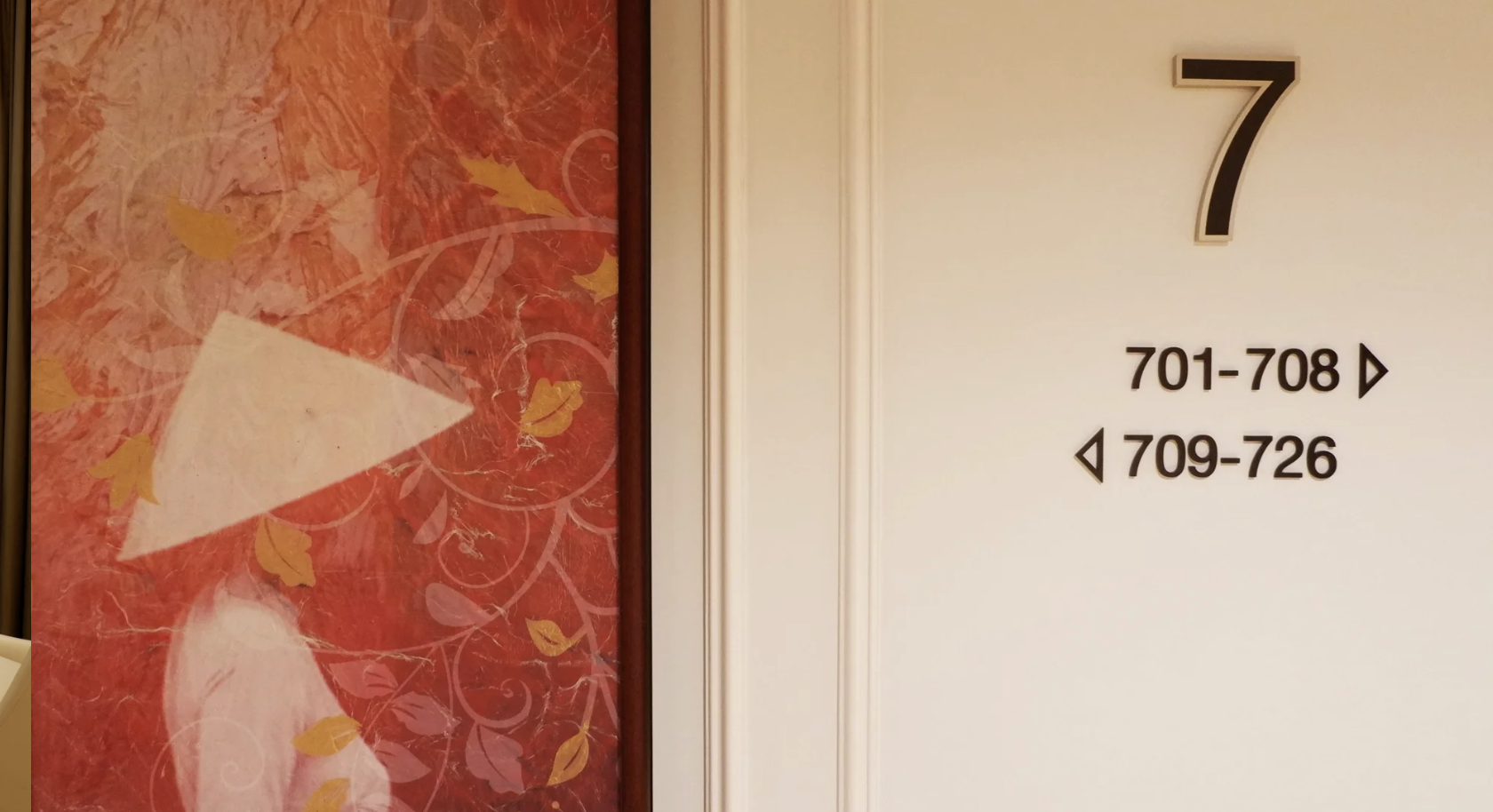
Textured Corridor Artwork by Hay Hay Design for Mai House Saigon
Lift lobbies, on the other hand, are moments of arrival. The first artwork a guest encounters as they step out sets the tone for everything that follows. These pieces need presence, something that anchors the space, reflects the brand, and signals a sense of quality from the outset.
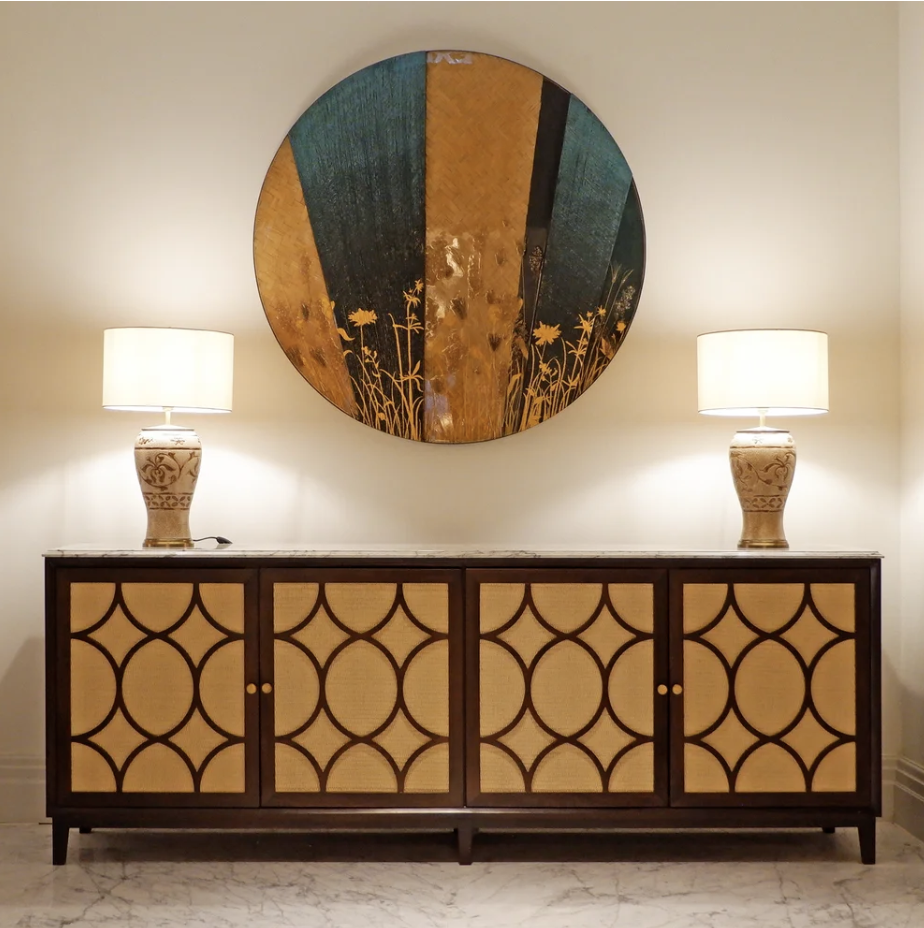
When approached strategically, artwork becomes more than decoration. It becomes part of the architecture of the guest experience, scalable, cohesive, and anything but generic.